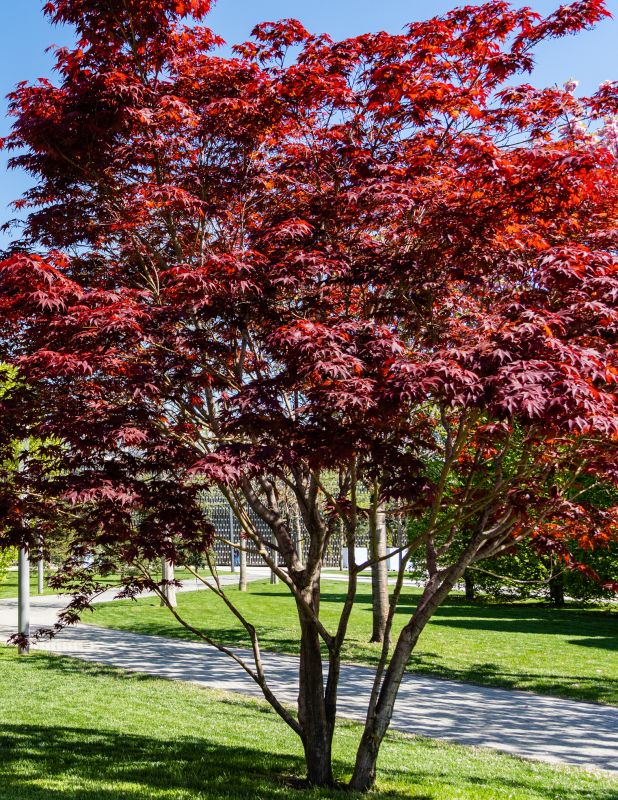
Japanese Maple Pruning in San Jose, CA
Japanese Maple Pruning services involve carefully trimming and shaping Japanese maples to promote healthy growth and enhance their aesthetic appeal. This service covers a variety of projects, including removing dead or damaged branches, reducing canopy size for better light penetration, and maintaining the tree’s overall shape. Homeowners often seek pruning to improve the tree’s structure, prevent potential hazards from falling branches, or simply to preserve its visual beauty within the landscape.
Before requesting Japanese Maple Pruning, property owners typically want to understand the best timing for pruning, which is usually during late winter or early spring before new growth begins. They may also inquire about the proper techniques to ensure the health of the tree is maintained and that the natural form is preserved. Clarifying the scope of work, such as whether selective trimming or more extensive shaping is needed, helps ensure the desired results are achieved while supporting the tree’s long-term health.
Many property owners in San Jose, CA look into Japanese Maple Pruning for repairs, replacements, upgrades, and appearance-related improvements.
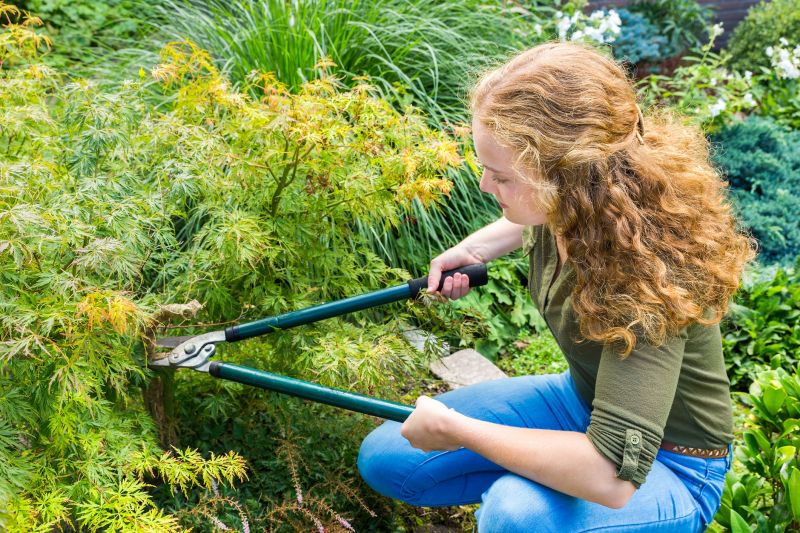
Pruning For Tree Health
Proper trimming encourages strong growth and helps prevent disease in japanese maples.
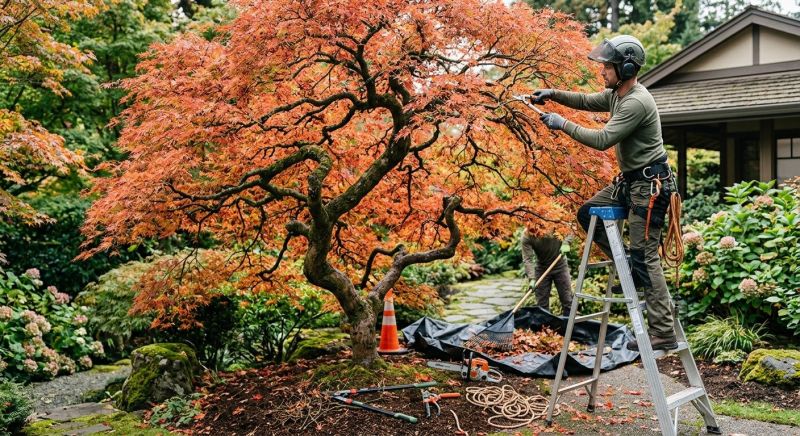
Enhancing Aesthetic Appeal
Selective pruning can improve the shape and visual presence of japanese maples in residential landscapes.
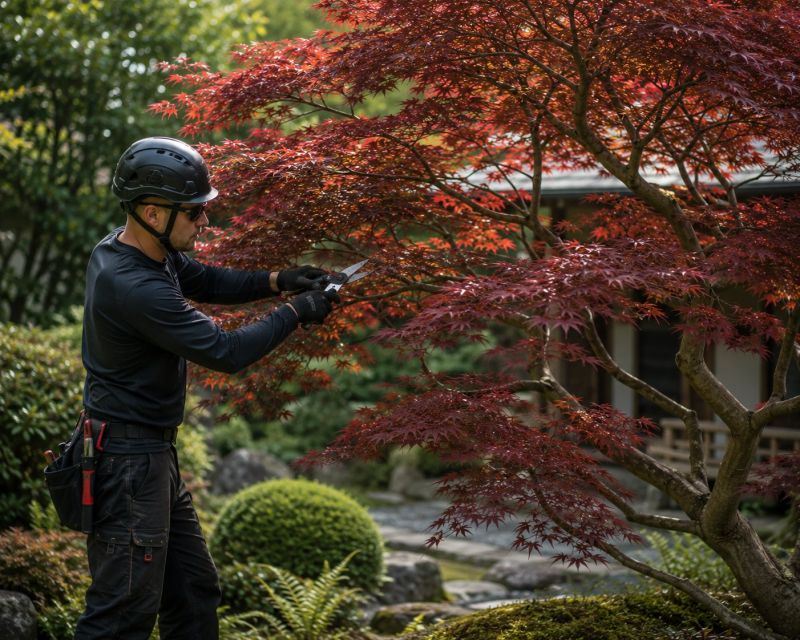
Maintaining Safety And Structure
Regular pruning reduces hazards by removing dead or weak branches that could pose risks on properties in san jose, ca.
Japanese Maple Pruning in San Jose, CA
Japanese Maple Pruning services involve carefully trimming and shaping Japanese maples to promote healthy growth and enhance their aesthetic appeal. This service covers a variety of projects, including removing dead or damaged branches, reducing canopy size for better light penetration, and maintaining the tree’s overall shape. Homeowners often seek pruning to improve the tree’s structure, prevent potential hazards from falling branches, or simply to preserve its visual beauty within the landscape.
Before requesting Japanese Maple Pruning, property owners typically want to understand the best timing for pruning, which is usually during late winter or early spring before new growth begins. They may also inquire about the proper techniques to ensure the health of the tree is maintained and that the natural form is preserved. Clarifying the scope of work, such as whether selective trimming or more extensive shaping is needed, helps ensure the desired results are achieved while supporting the tree’s long-term health.
Many property owners in San Jose, CA look into Japanese Maple Pruning for repairs, replacements, upgrades, and appearance-related improvements.
Common Japanese Maple Pruning Jobs
Japanese Maple Pruning Services - shaping and maintaining the natural form of Japanese maples for aesthetic appeal.
Selective Thinning - removing interior branches to improve airflow and reduce branch stress.
Deadwood Removal - eliminating dead or diseased branches to promote healthy growth.
Size Reduction - carefully reducing overall height and spread to fit property space.
Seasonal Pruning - performing pruning at optimal times to support tree health and vigor.
Structural Pruning - guiding branch growth to prevent future damage and maintain safety.
Japanese Maple Pruning Questions
What is the purpose of pruning Japanese Maples? Pruning helps maintain the tree’s shape, promotes healthy growth, and removes dead or damaged branches.
When is the best time to prune a Japanese Maple? The ideal time is during late winter or early spring before new growth begins.
Can Japanese Maples be pruned for size control? Yes, selective pruning can help manage the size and shape of the tree to suit the landscape.
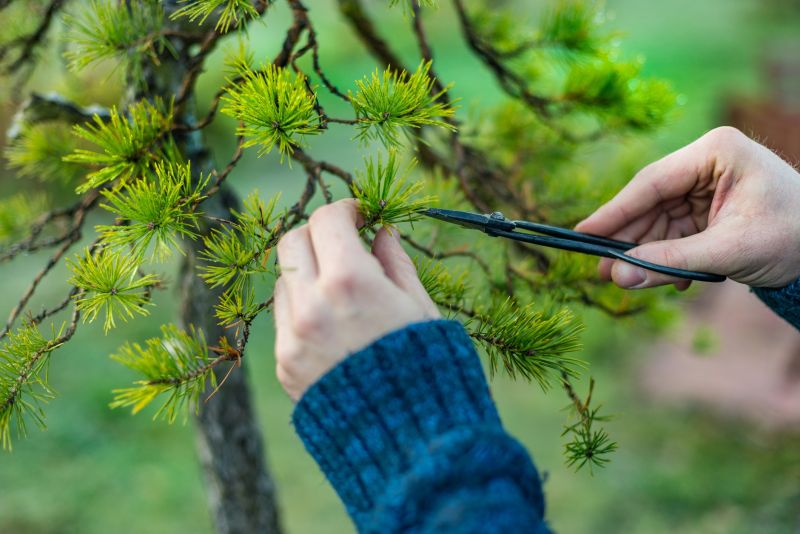
What tools are used for pruning Japanese Maples? Sharp pruning shears and loppers are typically used to make clean cuts and prevent damage.
Request Japanese Maple Pruning in San Jose, CA
Use the quote form on this page to share the basics of your project and request more information for the type of work you need.